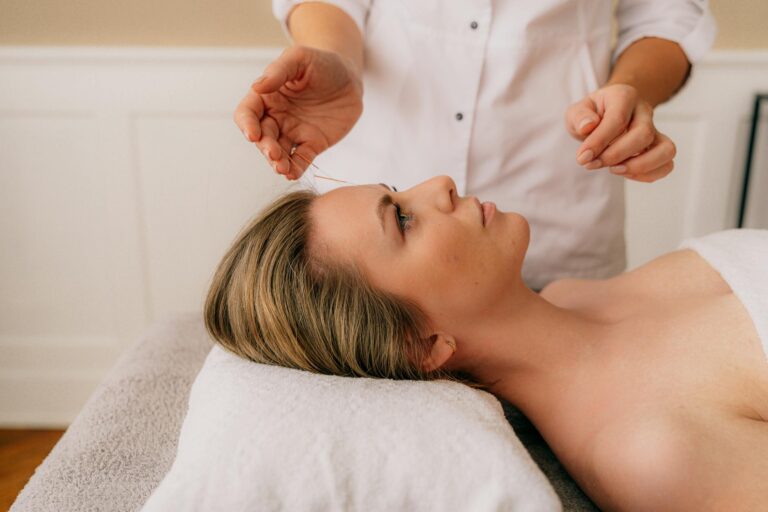
In my daily practice, I support expectant parents on their conception journeys by combining my background in Holistic Nutrition with the principles of Chinese Medicinal Diet (Shi Liao). Together, we create a Zero Trimester plan — a way of eating that supports fertility, helps balance hormones, and eases inflammation, shaped around your body and its needs.
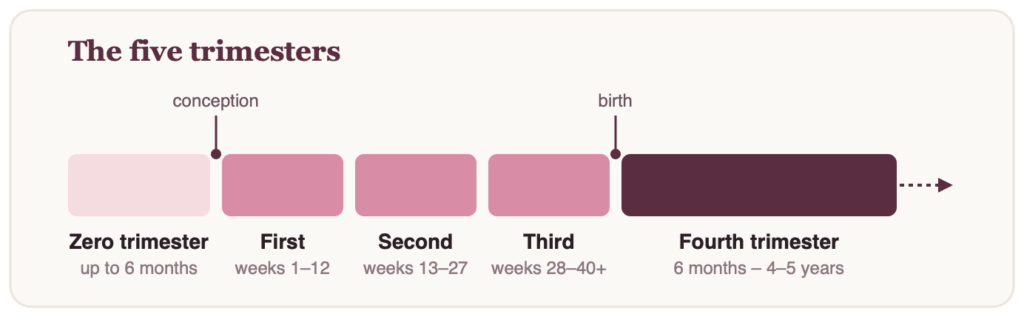
When it comes to preparing your body for pregnancy, diet plays a pivotal role. Many women start thinking about fertility only when they’re actively trying to conceive, but the Zero Trimester — preparing long before conception — lays the foundation for a healthy pregnancy. Whether you’re pursuing natural conception or assisted reproductive technology, a combination of nourishing foods, lifestyle changes, and self-care can support your fertility and create a nourishing environment for conception.
This is general guidance rather than a prescription — every body is different, and things like PCOS, a thyroid condition, or a complex health history change what your ideal plate looks like. If you’d like a plan built for you, book a visit and we’ll create it together. Let’s explore some of the basics.
Care about where your food comes from
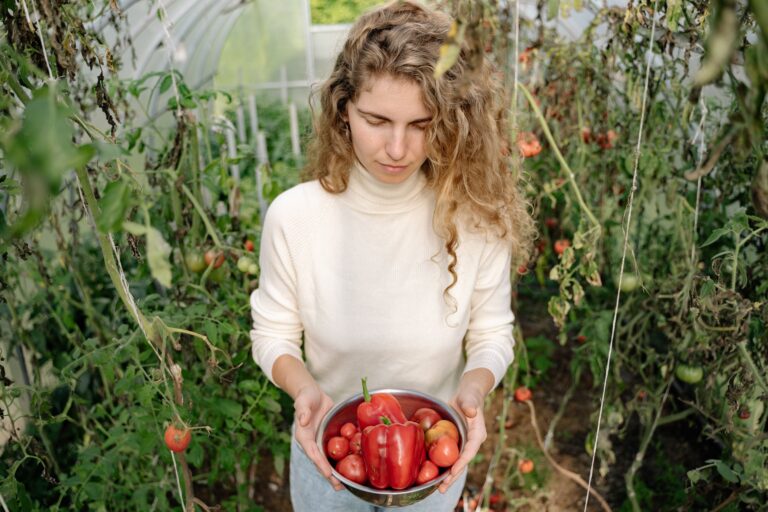
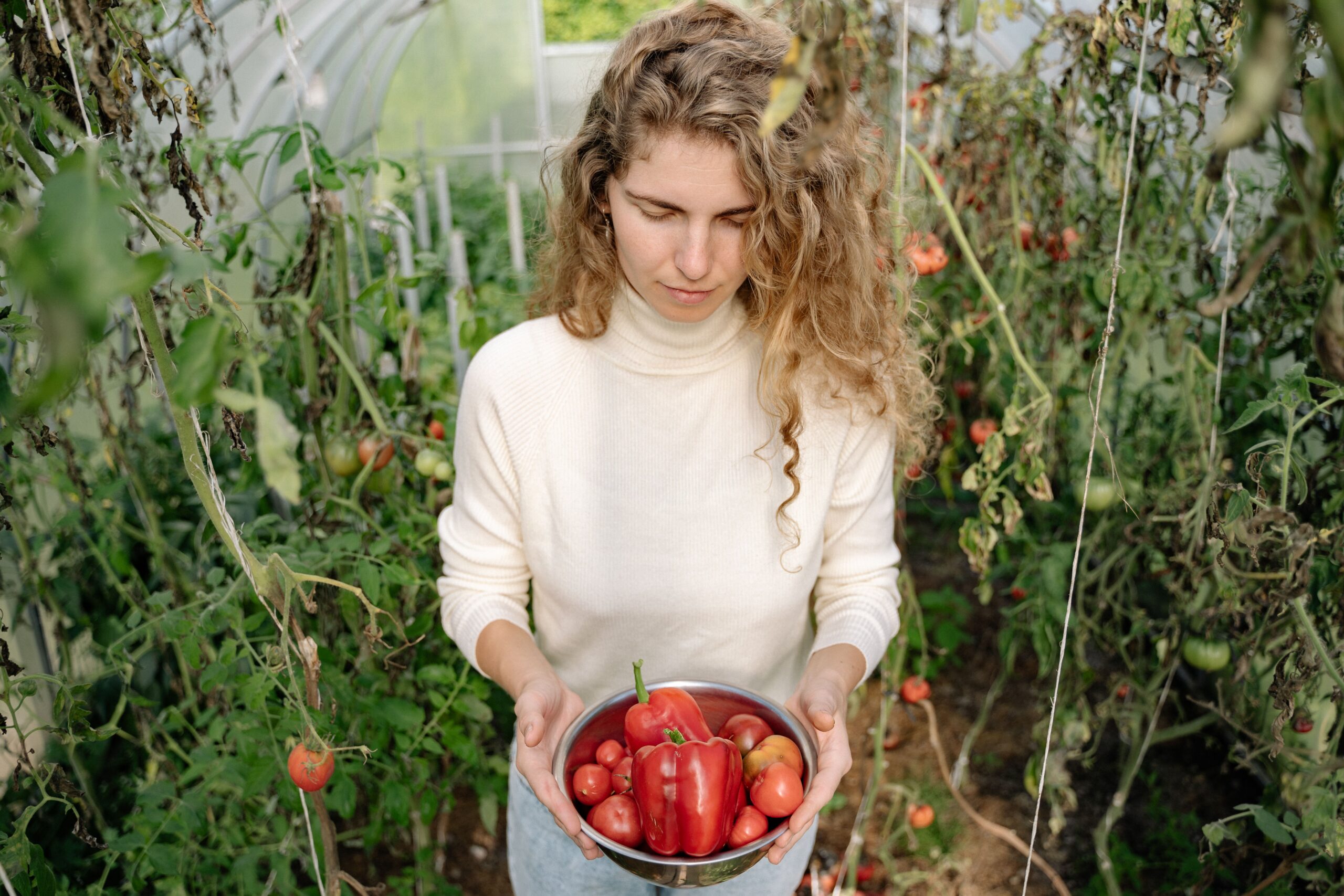
Food quality is decided before it ever reaches your kitchen — by the soil it grew in, the life the animal lived. A vegetable grown in rich, pesticide-free soil simply has more to give. So does an animal raised on pasture. The recommendations below are counting on that.
- Choose organic produce where you can — especially the vegetables and fruits you eat every day. Can’t go fully organic? Wash well, and prioritize organic for whatever you eat most often. It still makes a difference.
- Buy meat, eggs, and especially organ meats from farms you trust. Organic, pasture-raised, sustainably managed. This matters most with organ meats — the quality of the animal’s life becomes the quality of the nutrients you’re eating.
- A few local options: Pasture to Plate on Commercial Drive is a certified-organic, whole-animal butcher tied to its own ranch, and they carry organ meats. Sumas Mountain Farms in Abbotsford is the only certified-organic, lifetime grass-fed beef producer in the Lower Mainland — BC SPCA humane-certified, with organ meats and bone broth, and they deliver. And the Vancouver Farmers Markets run all year, where you can just ask the farmer how the food was raised.
The three pillars of a fertility diet
1. Vegetables, and nourishing fruits
Vegetables — especially leafy greens and colourful, cruciferous varieties — are packed with the vitamins, minerals, and antioxidants that support fertility, helping regulate hormones and giving your body what it needs for healthy egg and sperm development. Fill much of your plate with a variety of them.
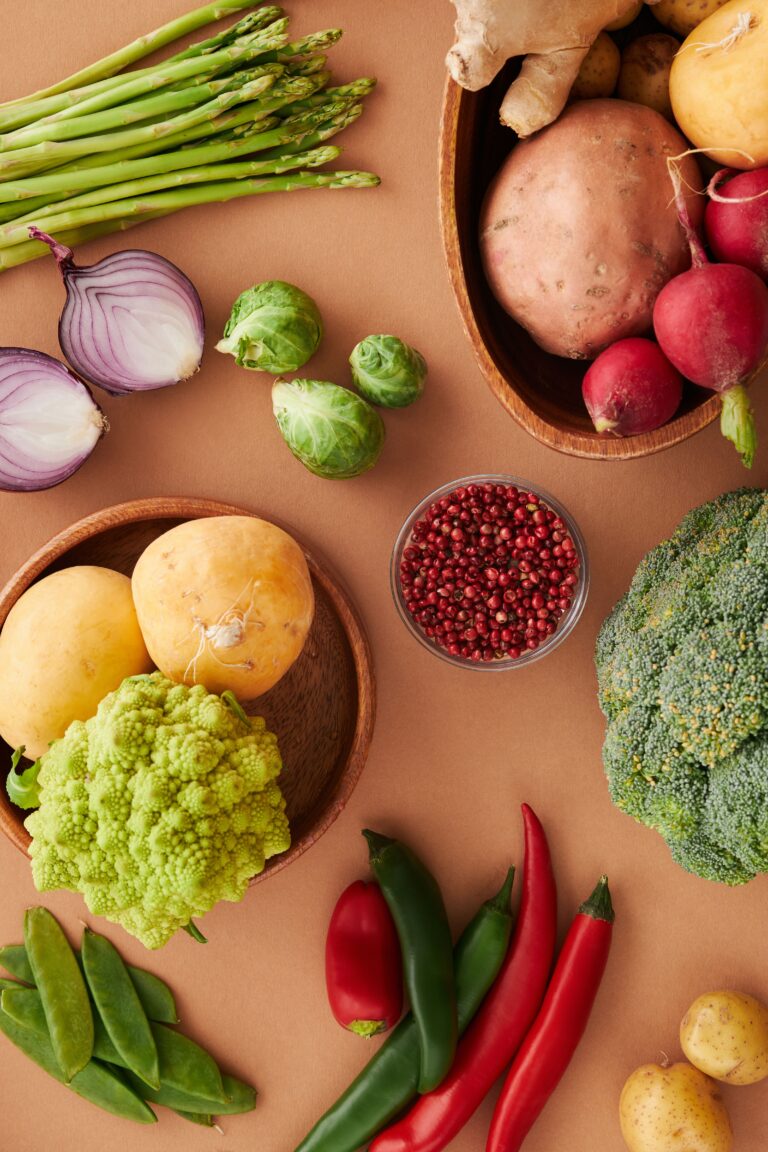
- Dark leafy greens — kale, spinach, Swiss chard — are rich in folate, which your body needs for a healthy pregnancy.
- Cruciferous vegetables like broccoli and Brussels sprouts support how your body processes hormones.
- Root vegetables (sweet potatoes, carrots, pumpkin) are grounding and easy on digestion.
- Bell peppers, carrots, beets — the antioxidants in brightly coloured vegetables help protect egg and sperm quality.
- Red dates (jujube) and goji berries build Blood, in the language of Chinese dietary therapy.
2. Protein, from both plants and animals
Protein is a cornerstone of fertility — it plays a vital role in building your body’s reserves and supporting overall reproductive health. Include a protein you enjoy at each meal, drawing from both plant and animal sources.
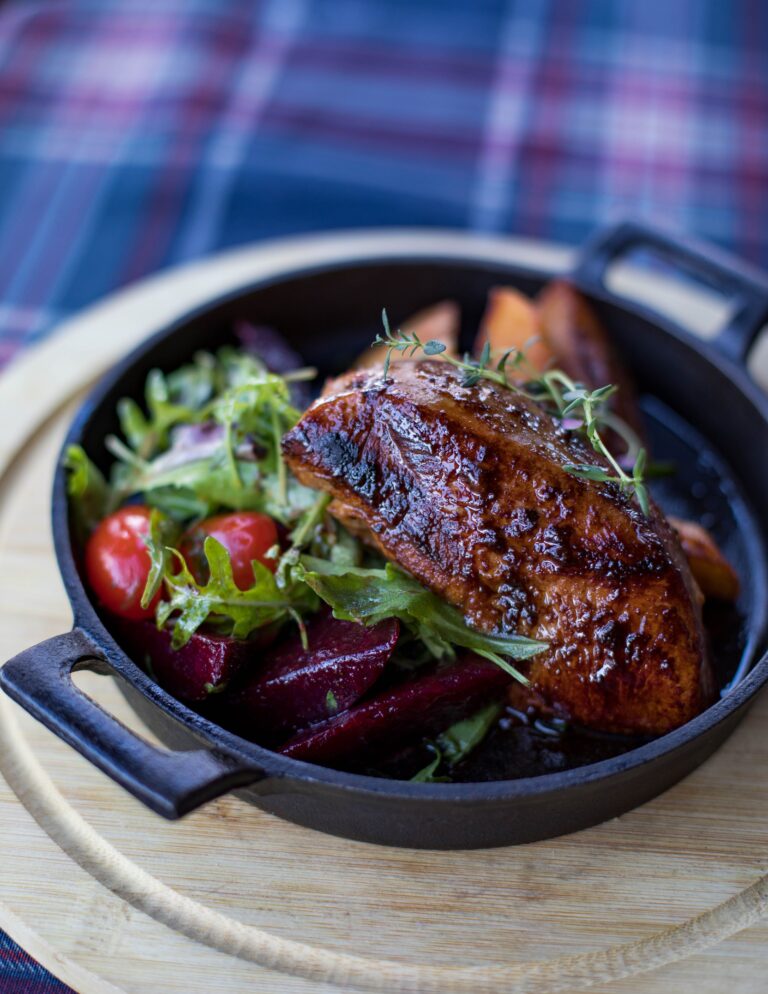
- Wild-caught fish, omega-3-rich eggs, pasture-raised poultry, quality meats, bone broth, and small amounts of organ meats like calf liver give you iron, zinc, and B12 your body can actually absorb.
- Lentils, beans (black beans especially), tofu, nuts, seeds — plant proteins deserve a real place on your plate too, not just a side mention.
That mix of plant and animal protein lines up with what the research keeps pointing to. In a study of couples going through IVF (Fertility and Sterility, 2010), the ones who ate closest to a Mediterranean-style diet — plenty of fish, legumes, vegetables, and olive oil — had a higher chance of pregnancy than those who didn’t. It was never about a single hero food, but the overall mix: varied, whole, and mostly unprocessed.
A note on liver: it’s one of the most nutrient-dense foods around — B12, folate, choline, iron, copper. It’s also very high in preformed vitamin A, so keep it moderate while you’re preparing for pregnancy. About 30 grams, once a week, from a well-raised animal gets you the benefit without the excess. Ask your practitioner to tailor the amount to you.
3. Fats that support your hormones
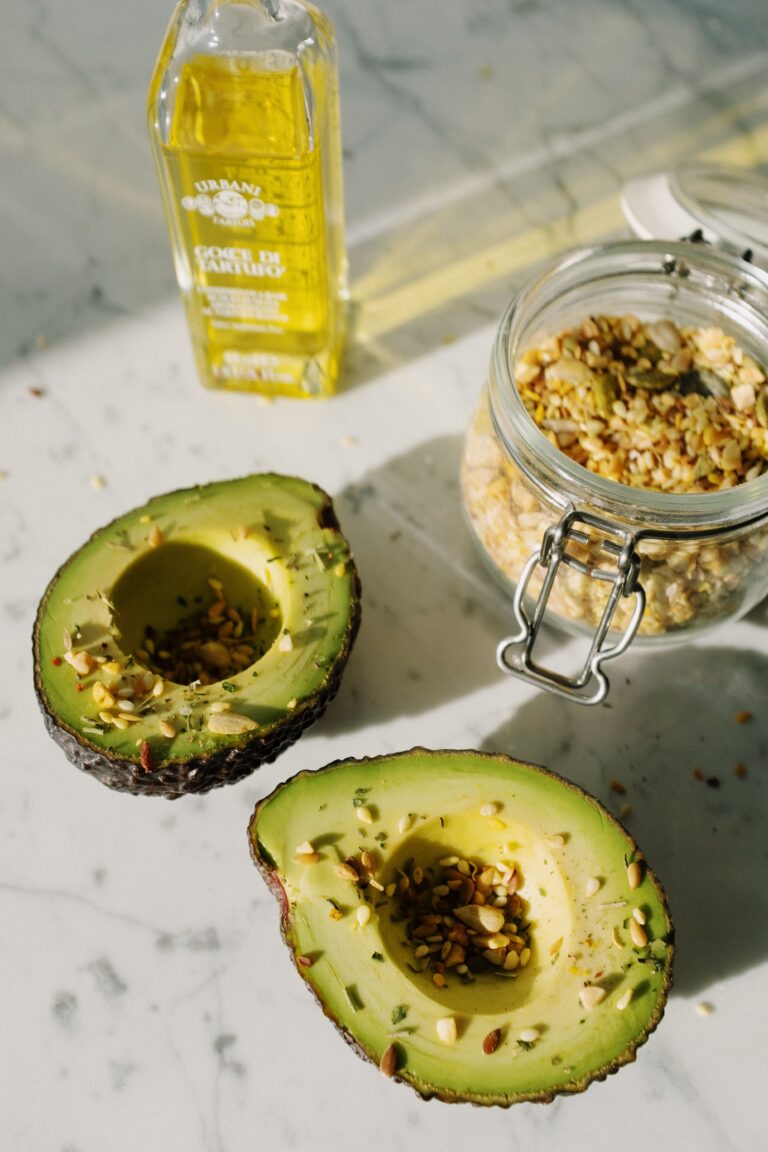
Healthy fats are essential for hormone production and overall fertility — they support ovulation, help regulate hormone levels, and create a favourable environment for pregnancy. There’s no need to fear them; the goal is quality and variety.
- Fatty fish, flaxseeds, walnuts for omega-3s.
- Olive oil, avocados, nuts for monounsaturated fat.
- Black sesame seeds, a staple in Chinese dietary therapy.
- And full-fat dairy: a companion study from the same Harvard program — “A prospective study of dairy foods intake and anovulatory infertility” (Human Reproduction, 2007) — found women who ate full-fat dairy regularly had a lower risk of ovulatory infertility than those who chose low-fat.
The fats to actually cut back on are the clear ones: trans fats and heavily processed oils. Those were the fats most consistently tied to poorer ovulatory function in this research.
The philosophy behind this diet
Holistic Nutrition perspective
Holistic Nutrition doesn’t just count calories or isolate nutrients. It looks at nutrient density — how much nourishment a food actually delivers — and bioavailability, how well your body can use it. Sourcing matters. So does your own constitution. Two people preparing for pregnancy can need genuinely different plates. The pillars above are the foundation; the fine-tuning is personal.
Traditional Chinese Medicine (TCM) perspective
Traditional Chinese Medicine adds a lens that shapes how you eat as much as what you eat.
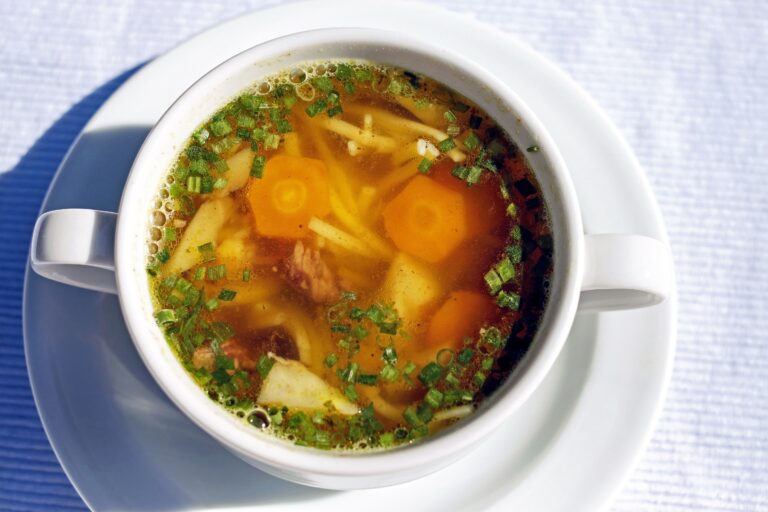
The Spleen, in this system, transforms food into Qi and Blood — the energy that nourishes reproduction. Supporting it starts with gentle digestion. That’s why the root vegetables and whole grains in the pillars above work best warm and cooked: soups, stews, congee. Iced drinks and very cold, raw foods are thought to burden digestion, so they’re worth going easy on. Ginger and cinnamon help too.
For conception specifically, this tradition points to the Kidney, and to what it calls Jing — essence, the constitutional energy at the root of reproduction. You’ll notice the red dates, goji berries, walnuts, black sesame, black beans, and bone broth threaded through the pillars above. Those aren’t random. They’re the classic Kidney- and Blood-nourishing foods in Chinese dietary therapy.
It’s a lens, not a rulebook. Keep your salads, keep your smoothies. It’s about balance, not replacement.
Supplements to consider
Beyond macronutrients like protein, fats, and carbohydrates, key micronutrients play a vital role in preparing your body for pregnancy — they’re the building blocks of reproductive health, supporting everything from hormone production to egg and sperm quality. A well-balanced diet is the foundation, but many people benefit from supplementing strategically to meet their body’s unique needs. A few come up often in preconception care, with varying evidence behind them:
- Folic acid. 400 mcg daily, starting at least a month before conception — this one has the strongest evidence of them all. The MRC Vitamin Study (The Lancet, 1991) found it cut the risk of neural tube defects by roughly 70%.
- Vitamin D. Test first, then correct — don’t just take a standard dose and hope. A 2018 meta-analysis in Human Reproduction found women with sufficient vitamin D had higher live-birth rates than women who were deficient. Worth testing, especially through a Vancouver winter.
- CoQ10. Egg quality depends on cellular energy production, and that declines with age — this is where CoQ10 comes in. A 2020 meta-analysis of randomized trials found it improved clinical pregnancy rates before assisted reproduction, with the clearest benefit in women over 35 or with diminished ovarian reserve.
- Myo-inositol. If your cycles are irregular, this is one of the better-supported options out there. In women with PCOS, it’s been shown to improve insulin sensitivity and restore ovulation — around 70% of the time, in some studies — within a few months.
- Omega-3s (EPA/DHA). Support hormone production, calm inflammation. If fatty fish isn’t already a regular thing for you, this is worth adding.
- Choline. It supports fetal brain development and egg health, and most standard prenatals don’t have enough of it. Eggs are the best source; supplementation can cover the rest.
Most of this research comes from specific groups — women with PCOS, or those going through assisted reproduction — so what’s right for you depends on your situation. Supplement quality varies just as much as food quality does. At Acumamas we work with Cytomatrix, a Canadian brand making practitioner-grade, quality-tested supplements, and we build protocols around your health history and, where it helps, your labs.
Foods to ease back on
- Ultra-processed foods. Low in nutrients, high in added fat, sugar, and additives — whole and minimally processed foods just give your body more to work with.
- Refined flours. White bread, pastries, packaged snacks — these cause blood-sugar swings that ripple into your hormones. Quinoa, brown rice, oats, barley offer steadier energy instead. And sourdough is a good bread swap: fermentation makes it easier to digest and its minerals easier to absorb.
- Added sugar. Keep it modest. Honey or maple syrup, in small amounts, are fine.
The 80/20 approach
To make this sustainable, aim for an 80/20 approach — following these principles about 80% of the time, with room for flexibility the rest. Life happens, and the occasional less-than-perfect choice is completely okay. The key is consistency over time: small habits that nourish your body, repeated.
When you’re ready
By tending to your body through the Zero Trimester — with nourishing food and a mindful lifestyle — you’re laying the groundwork for a healthy pregnancy when the time is right. Small, consistent changes during this season can have a big impact on your fertility, hormone balance, and overall wellbeing. Whether you’re actively trying to conceive or preparing for the future, these simple, steady steps help you feel vibrant and support a healthy, fulfilling life.
Your journey is as unique as you are, and there’s no one-size-fits-all approach. If you’re ready to take the next step, I’m here to guide you — together, we’ll identify your individual needs, work through challenges, and create a personalized plan to support your goals. Schedule a visit whenever you feel ready.
This article is for general educational purposes and isn’t a substitute for individualized medical or nutritional advice. Please talk with your healthcare provider about what’s right for you — especially before starting new supplements or making significant dietary changes during preconception or pregnancy.
Clinically Reviewed by Karolina Kluska
Karolina is an acupuncturist at Acumamas with a focus on women’s health, fertility, and postpartum care. She supports clients through every stage of their reproductive journey — from cycle regulation to IVF support and birth prep — using acupuncture techniques rooted in Classical Chinese Medicine with a modern touch.