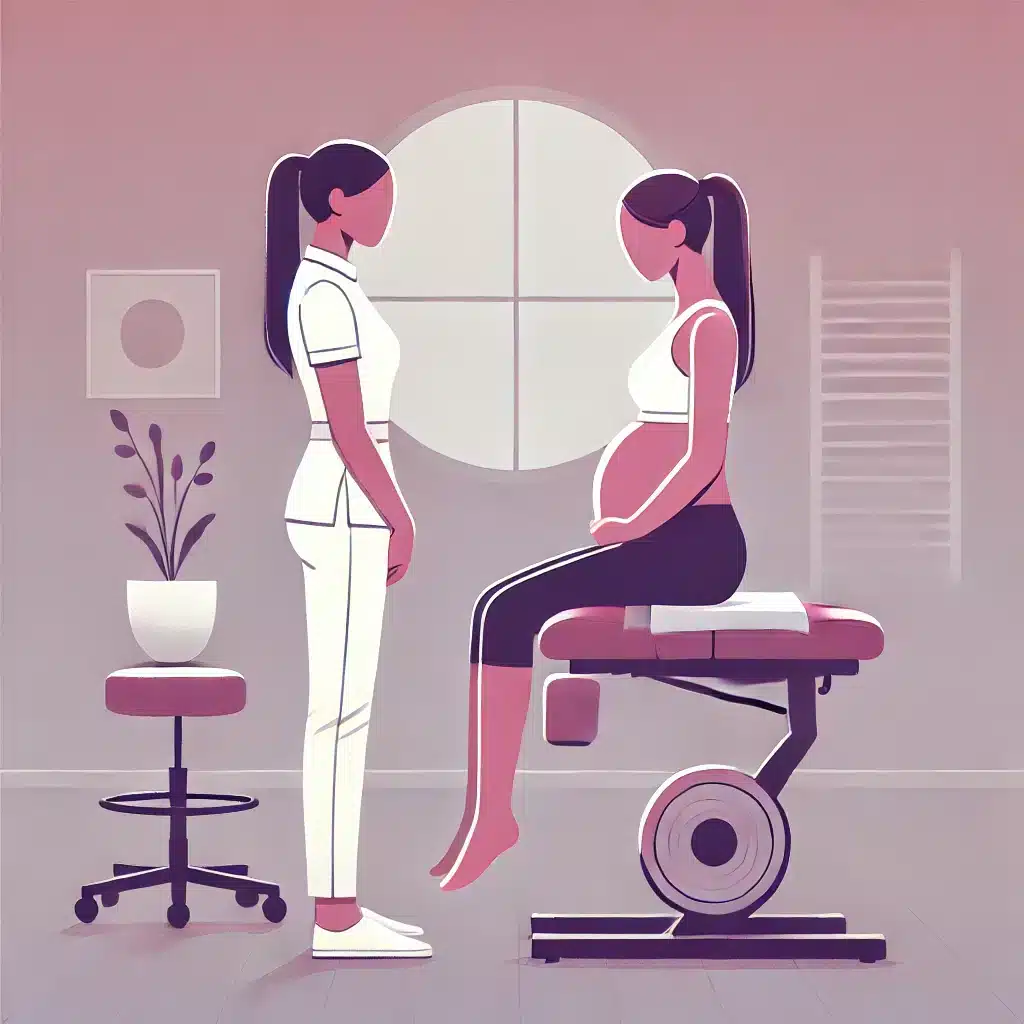
Pregnancy is a transformative journey, bringing joy and anticipation but also new challenges and physical changes. One such challenge that many pregnant women face is urinary incontinence. This condition, though common, can be distressing and impact the quality of life during pregnancy and postpartum. Fortunately, regular prenatal pelvic floor physiotherapy offers a promising solution to reduce urinary incontinence. Let’s explore why pelvic floor physiotherapy is crucial for pregnant women, how pregnancy affects the pelvic floor, and the latest research supporting its benefits.
Understanding Pelvic Floor Physiotherapy
Pelvic floor physiotherapy is a specialized form of physical therapy aimed at strengthening and rehabilitating the pelvic floor muscles. These muscles form a supportive sling at the base of the pelvis, crucial for maintaining bladder and bowel control, supporting the uterus, and enhancing sexual function. During pregnancy, the pelvic floor undergoes significant stress due to the weight of the growing uterus and hormonal changes that relax these muscles. As a result, many women experience urinary incontinence, where the bladder leaks urine during activities like coughing, sneezing, or laughing.
The Anatomy of the Pelvic Floor
To understand the impact of pregnancy on urinary incontinence, it’s essential to know the anatomy of the pelvic floor. The pelvic floor muscles form a hammock-like structure that supports the bladder, uterus, and rectum. These muscles work together to maintain continence and support intra-abdominal pressure. Like a trampoline or sling, they help to support the bladder, uterus and rectum and other organs, ensuring they work properly.
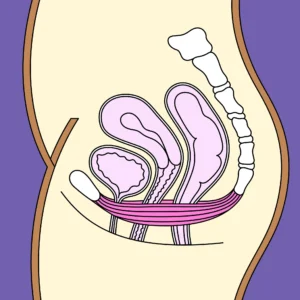
Credit. Laura Edelbacher
During pregnancy, several factors can weaken these muscles:
- Increased Pressure: The expanding uterus exerts more pressure on the pelvic floor.
- Hormonal Changes: Hormones such as relaxin increase, making the muscles and ligaments more pliable, which can lead to reduced muscle tone and strength.
- Weight Gain: Additional body weight further stresses the pelvic floor.
Symptoms of Weakened Pelvic Floor Muscles
When the pelvic floor muscles weaken, several symptoms can arise, with urinary incontinence being the most common. Other symptoms may include:
- Urgency and Frequency: A sudden, strong urge to urinate followed by frequent trips to the bathroom.
- Stress Incontinence: Leakage of urine during activities that increase abdominal pressure, such as coughing, laughing, or lifting.
- Difficulty in Bladder Control: Challenges in starting or stopping urination.
The Research Behind Prenatal Pelvic Floor Exercises
- A 2019 Study in the Journal of Obstetric, Gynecologic, & Neonatal Nursing: This study involved 200 pregnant women who participated in a pelvic floor exercise program. Results showed a significant decrease in the incidence of urinary incontinence in the exercise group compared to a control group, with a 45% reduction in symptoms.
- A 2020 Meta-Analysis in The Cochrane Database of Systematic Reviews: This comprehensive review of 15 randomized controlled trials concluded that pelvic floor muscle training is highly effective in reducing the risk of urinary incontinence during pregnancy. The review highlighted a 50% reduction in the likelihood of developing incontinence among participants who engaged in structured pelvic floor exercises.
- A 2021 Study Published in BJOG: An International Journal of Obstetrics and Gynaecology: Researchers found that women who started pelvic floor exercises early in pregnancy had a 60% lower risk of urinary incontinence postpartum compared to those who did not engage in these exercises.
Practical Tips for Incorporating Pelvic Floor Exercises
Regular prenatal pelvic floor physiotherapy is a proactive step that can significantly reduce the incidence of urinary incontinence during pregnancy. By understanding the anatomy of the pelvic floor, embracing the latest research, and seeking expert guidance, pregnant women can enhance their pregnancy experience and pave the way for a smoother postpartum recovery. Remember, taking control of your pelvic health is not just about preventing incontinence; it’s about nurturing your body and preparing for the journey of motherhood with confidence and strength.
Here are some practical steps for incorporating pelvic floor exercises into your daily routine:
- Start Early: Begin pelvic floor assessment and training as early as possible in your pregnancy. Consistency is key.
- Learn Proper Techniques: Consult with a certified pelvic floor physiotherapist who can guide you through the correct techniques and tailor exercises to your needs.
- Incorporate Daily Practice: Set aside a few minutes each day for pelvic floor exercises. Simple movements, such as pelvic tilts, Kegel exercises, and diaphragmatic breathing, can be highly effective.
- Stay Hydrated and Maintain a Healthy Weight: These practices support pelvic health and reduce the strain on your pelvic floor.
For personalized pelvic floor physiotherapy advise, please visit Acumamas Wellness where our resident pelvic floor specialist, Maria Tyumkin can offer you personalized care that effectively incorporates Pelvic Floor Training into your health objectives.